



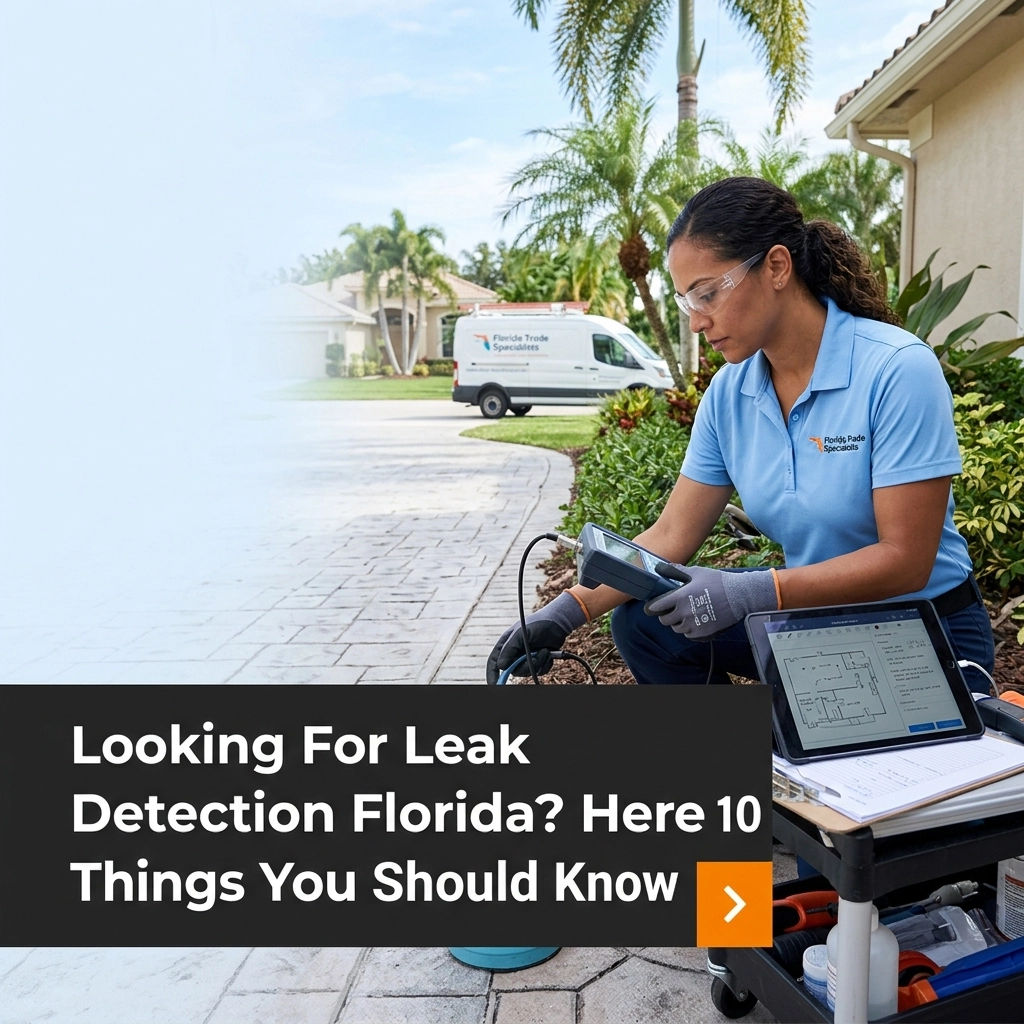
Water damage is cumulative.
Florida's high humidity accelerates structural decay.
Undetected leaks destroy foundations and promote toxic mold growth.
Homeowners must act immediately when moisture is suspected.
Leak detection Florida is a specialized technical field.
It requires advanced equipment and licensed expertise.
This guide outlines critical facts regarding leak detection and property maintenance.
Failure to address leaks leads to total property loss.
If credentials cannot be verified, the listing is denied.
1. Specialized Detection is Required
Standard plumbing does not always include leak detection.
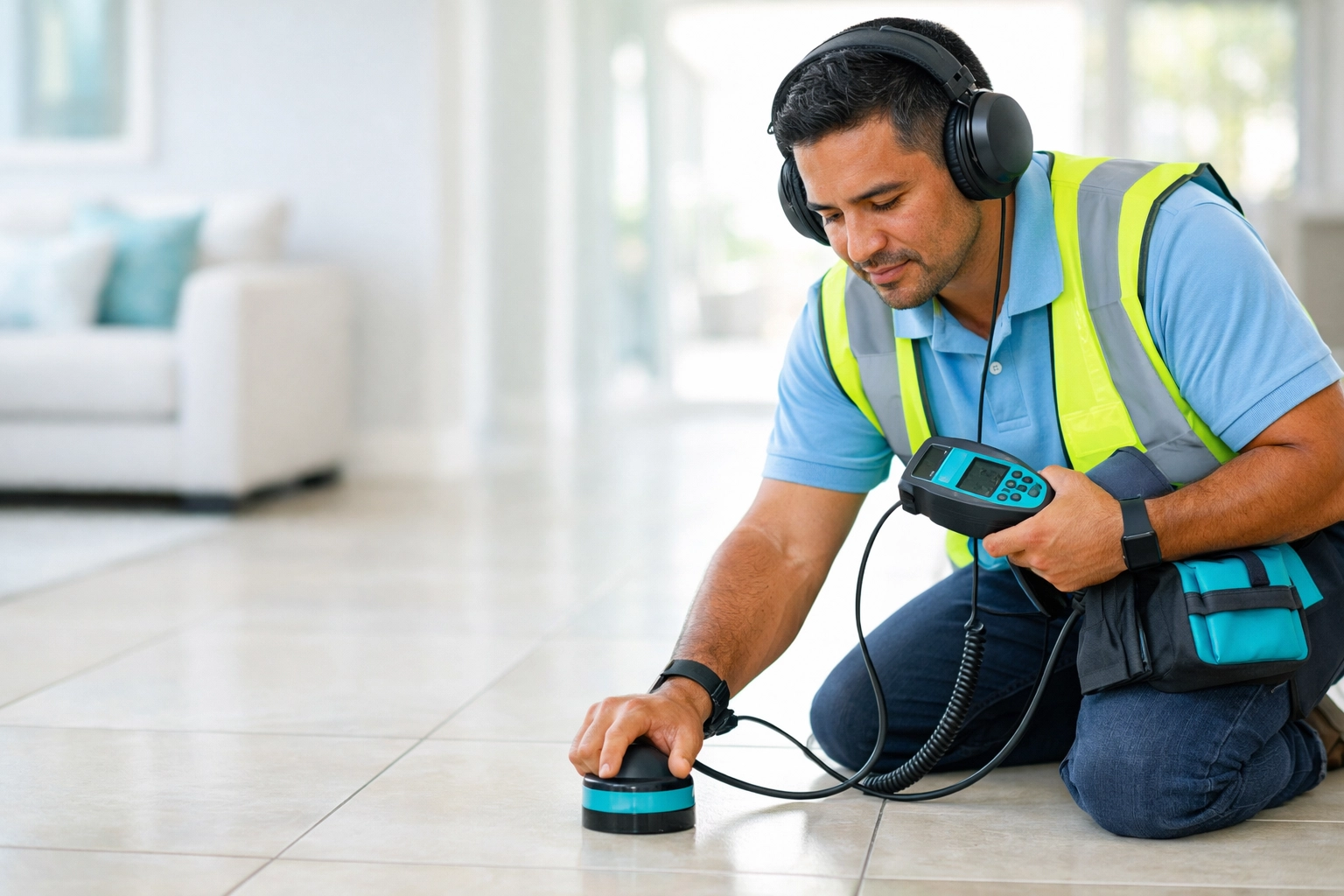
Leak detection Florida technicians use acoustic sensors to find hidden pipe failures.
They specialize in different areas of the property.
Service categories include:
- Sub-slab pressurized lines
- Pool and spa plumbing
- Irrigation system supply lines
- Sewer and wastewater pipes
- Hidden roof leaks
A general plumber near me might lack the necessary sonar equipment.
Specialized firms pinpoint leaks within inches of their location.
This precision prevents unnecessary destruction of floors and walls.
If credentials cannot be verified, the listing is denied.
2. Technology Must Be Non-Destructive
Destructive testing is obsolete.
Technicians no longer tear down walls to find moisture.
Non-invasive methods are the industry standard.
Modern tools include:
- Ultrasound frequency detectors
- Endoscopic video cameras
- Helium gas tracing
- Soil probes for outdoor lines
These tools identify leaks through concrete and drywall.
Property owners save thousands on reconstruction costs.
Non-destructive methods preserve the structural integrity of the home.
3. Thermal Imaging Identifies Heat Signatures
Thermal imaging is a primary tool for leak detection Florida.
Infrared cameras detect temperature differences caused by moisture.
Water cools or warms surfaces differently than dry materials.
Thermography reveals:
- Hidden moisture behind tiles
- Slow drips inside insulation
- Electrical hot spots caused by water contact
- Roof leaks before they drip through the ceiling
Visual inspections are insufficient.
Infrared technology provides factual data on water migration patterns.
If credentials cannot be verified, the listing is denied.
4. Slab Leaks Threaten Foundations
Florida homes often sit on concrete slabs.
Pipes run beneath the concrete.
Small pinhole leaks erode the soil under the slab.
This leads to foundation cracks and structural shifting.
Signs of a slab leak:
- Unexplained warm spots on the floor
- High water bills
- The sound of running water when faucets are off
- Cracks in baseboards or flooring
Early detection prevents a total roof replacement florida scenario caused by structural settling.
Prompt action is non-negotiable.
5. Emergency Response Limits Liability
Water moves constantly.
A small leak becomes a flood within hours.
Florida Trade Specialists connects users with an emergency plumber florida.
Immediate response is critical for insurance compliance.
Most policies require homeowners to "mitigate damages" immediately.
Delaying a call voids your right to a claim.
Emergency services must be available 24/7.
If credentials cannot be verified, the listing is denied.
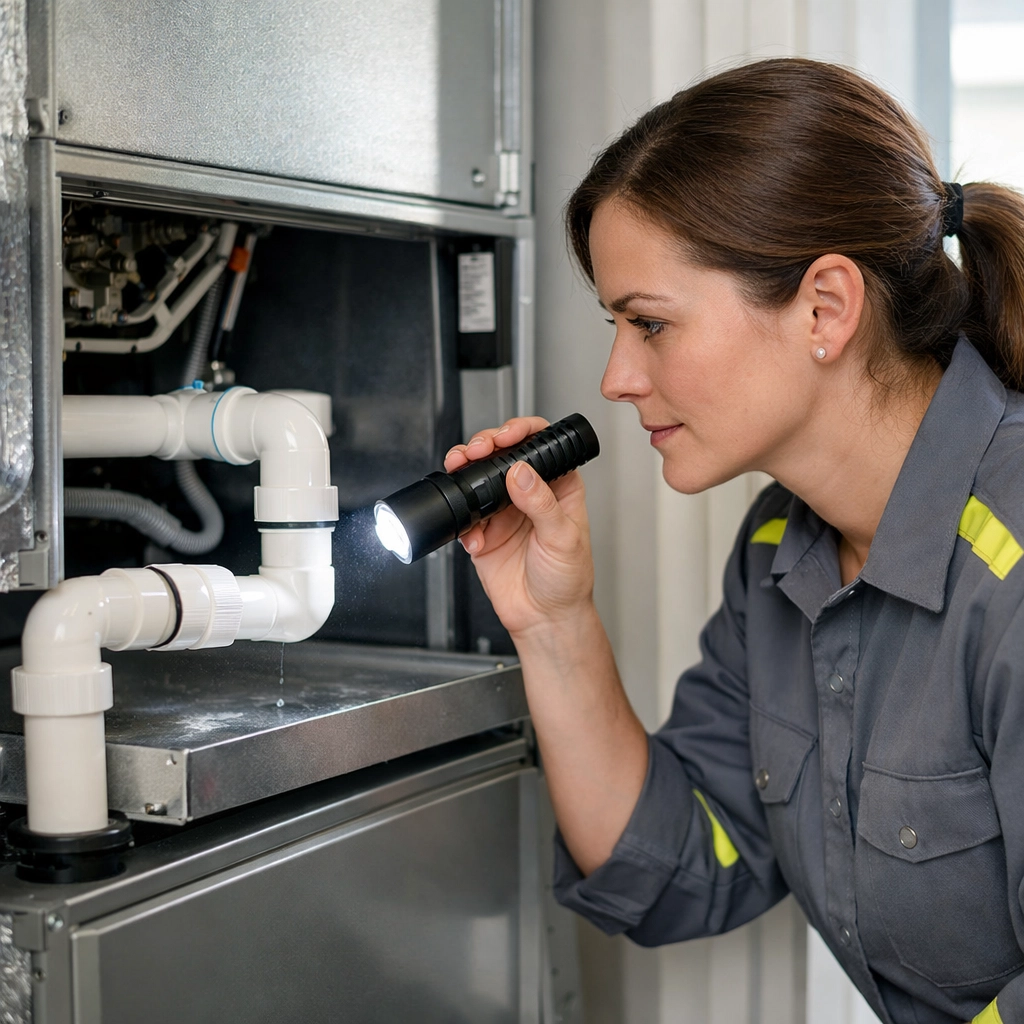
6. HVAC Condensation Causes Hidden Leaks
Air conditioners move gallons of water daily.
Clogged drain lines cause overflows inside walls.
This often requires professional ac repair florida.
Moisture from the HVAC system destroys ceilings and floors.
Proper air conditioning installation florida includes float switches to prevent overflows.
If your unit is leaking, the secondary drain pan may be rusted.
Check your HVAC system monthly.
7. Electrical Hazards and Water
Water conducts electricity.
Leaking pipes near outlets or panels create fire risks.
A leak behind a wall can compromise a circuit breaker replacement florida.
If you see water near your electrical system, do not touch it.
Contact an expert for an electrical panel upgrade florida if your system is old.
Corroded wires are a leading cause of house fires in Florida.
Water exposure accelerates this corrosion.
8. Hurricane Season and Exterior Leaks
Wind-driven rain enters through small gaps.
Old windows are vulnerable to water intrusion.
Installing impact windows florida seals the building envelope.
Roofing failures are the most common source of major leaks.
A roof replacement florida is often necessary after 15-20 years.
Florida storms test every seal on your home.
Leak detection Florida services often include exterior envelope testing.
If credentials cannot be verified, the listing is denied.
9. Licensing and Certification Standards
Florida law requires specific licenses for trade work.
Leak detection must be performed by licensed professionals.
Verify the contractor's license through the Florida Department of Business and Professional Regulation.
Unlicensed work is a liability.
It results in denied insurance claims.
It creates safety hazards.
Always ask for proof of general liability and workers' compensation insurance.
If credentials cannot be verified, the listing is denied.

10. Financial Impact of Delayed Detection
The cost of detection is minimal.
The cost of repair is high.
The cost of mold remediation is extreme.
A water heater installation florida prevents leaks from aging tanks.
Old tanks burst without warning.
Investing in leak detection saves tens of thousands of dollars.
Factual data proves that early intervention is the only logical choice.
Florida Jurisdictions and Service Areas
Florida Trade Specialists monitors service quality across all counties.
Specific regulations vary by municipality.
We cover the following areas:
- Alachua County
- Baker County
- Bay County
- Bradford County
- Brevard County
- Broward County
- Calhoun County
- Charlotte County
- Citrus County
- Clay County
- Collier County
- Columbia County
- DeSoto County
- Dixie County
- Duval County
- Escambia County
- Flagler County
- Franklin County
- Gadsden County
- Gilchrist County
- Glades County
- Gulf County
- Hamilton County
- Hardee County
- Hendry County
- Hernando County
- Highlands County
- Hillsborough County
- Holmes County
- Indian River County
- Jackson County
- Jefferson County
- Lafayette County
- Lake County
- Lee County
- Leon County
- Levy County
- Liberty County
- Madison County
- Manatee County
- Marion County
- Martin County
- Miami-Dade County
- Monroe County
- Nassau County
- Okaloosa County
- Okeechobee County
- Orange County
- Osceola County
- Palm Beach County
- Pasco County
- Pinellas County
- Polk County
- Putnam County
- Santa Rosa County
- Sarasota County
- Seminole County
- St. Johns County
- St. Lucie County
- Sumter County
- Suwannee County
- Taylor County
- Union County
- Volusia County
- Wakulla County
- Walton County
- Washington County
Regulatory Compliance and Safety
Requirements and permits vary by jurisdiction.
Always verify with local authorities or a licensed Florida Trade Specialists professional.
Florida Building Code 2023 mandates specific plumbing and electrical standards.
Compliance is mandatory for all residential structures.
Safety is the primary objective of every inspection.
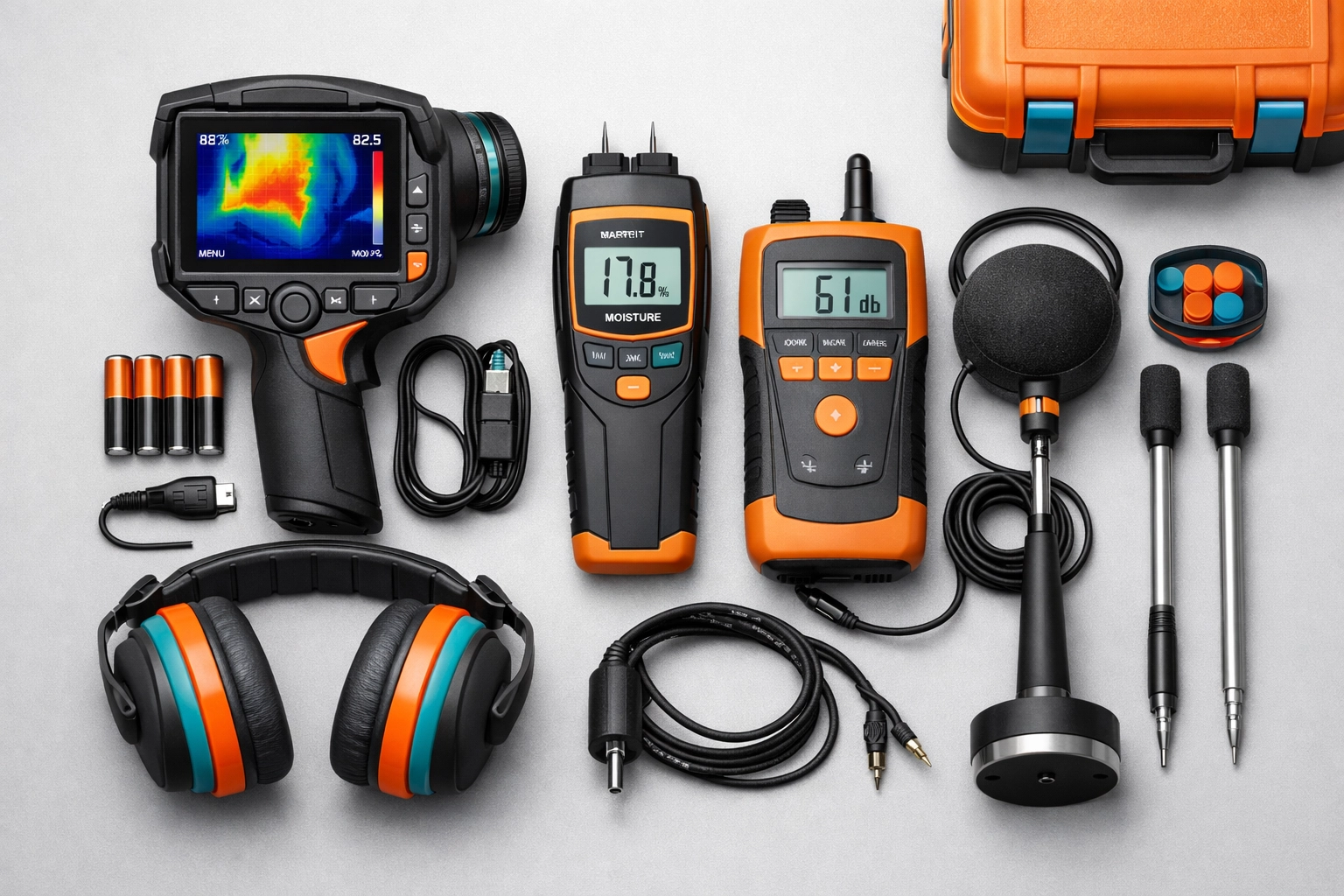
Technical Equipment List
Professionals utilize a specific inventory of tools.
These tools provide objective evidence of leaks.
- Acoustic Leak Detectors: Amplify the sound of escaping water.
- Tracer Gas: Injected into pipes to find leaks through gas detection.
- Moisture Meters: Measure the percentage of water in building materials.
- Borescopes: Visual inspection of cavities without demolition.
- Pressure Gauges: Identify pressure drops in closed systems.
Common Indicators of Failure
Monitor your property for these factual signs of leakage:
- Discoloration on walls or ceilings.
- Musty odors that persist after cleaning.
- Peeling wallpaper or bubbling paint.
- Buckling wood floors or loose tiles.
- Sudden increase in utility consumption.
- Decreased water pressure at fixtures.
- Visible mold on baseboards.
- Foundation cracks appearing suddenly.
Maintenance Recommendations
Prevention reduces the need for emergency services.
- Inspect water heaters every 12 months.
- Flush HVAC drain lines every 6 months.
- Check roof shingles after every major storm.
- Update old electrical panels to prevent water-induced shorts.
- Verify window seals are intact.
Conclusion
Leak detection Florida is an essential service for property maintenance.
Ignoring moisture leads to catastrophic structural failure.
Licensed professionals provide the only reliable method for finding hidden leaks.
Florida Trade Specialists ensures your home systems are safe, efficient, and compliant.
If credentials cannot be verified, the listing is denied.
Secure your property now.
Contact Florida Trade Specialists for licensed trade services.
Submit your service request today.