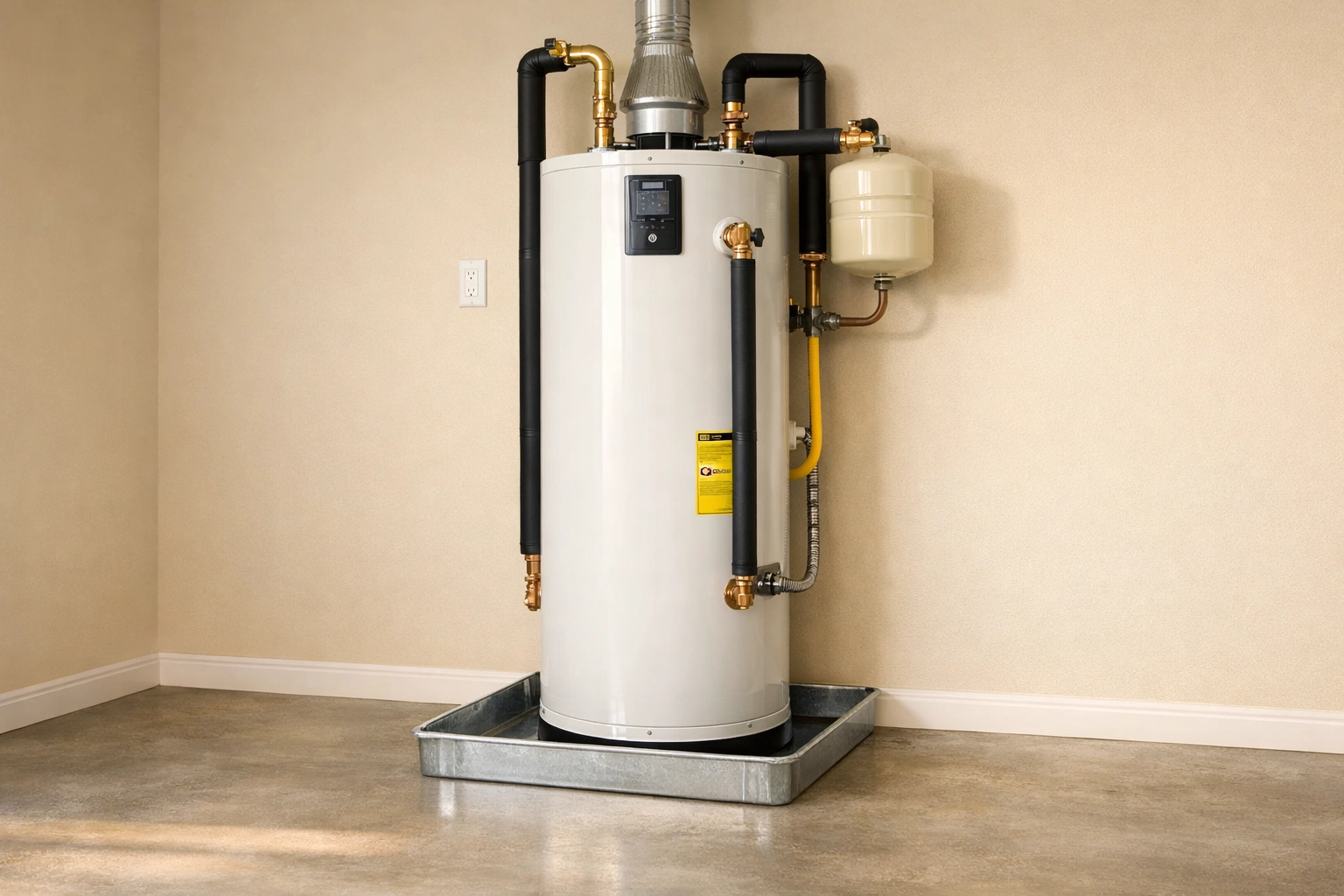

Water heater installation in Florida is a regulated technical process.
Homeowners must comply with the Florida Building Code.
Improper installation results in property damage, legal liability, and safety hazards.
This guide details the requirements for successful water heater replacement and installation.
Florida Building Code Compliance
Florida law requires a permit for water heater installation.
Licensed professionals must perform the work.
Local building departments enforce specific jurisdictional standards.
Unpermitted installations are illegal.
Insurance companies often deny claims involving unpermitted appliances.
Verify requirements at Florida Trade Specialists.
Selecting the Correct Water Heater System
Florida households have specific hot water demands.
System selection depends on peak usage.
Calculate total Gallons Per Minute (GPM) for simultaneous use.
- Shower: 2.5 GPM
- Dishwasher: 1.5 GPM
- Washing Machine: 2.0 GPM
A family of four typically requires 7 to 9 GPM.
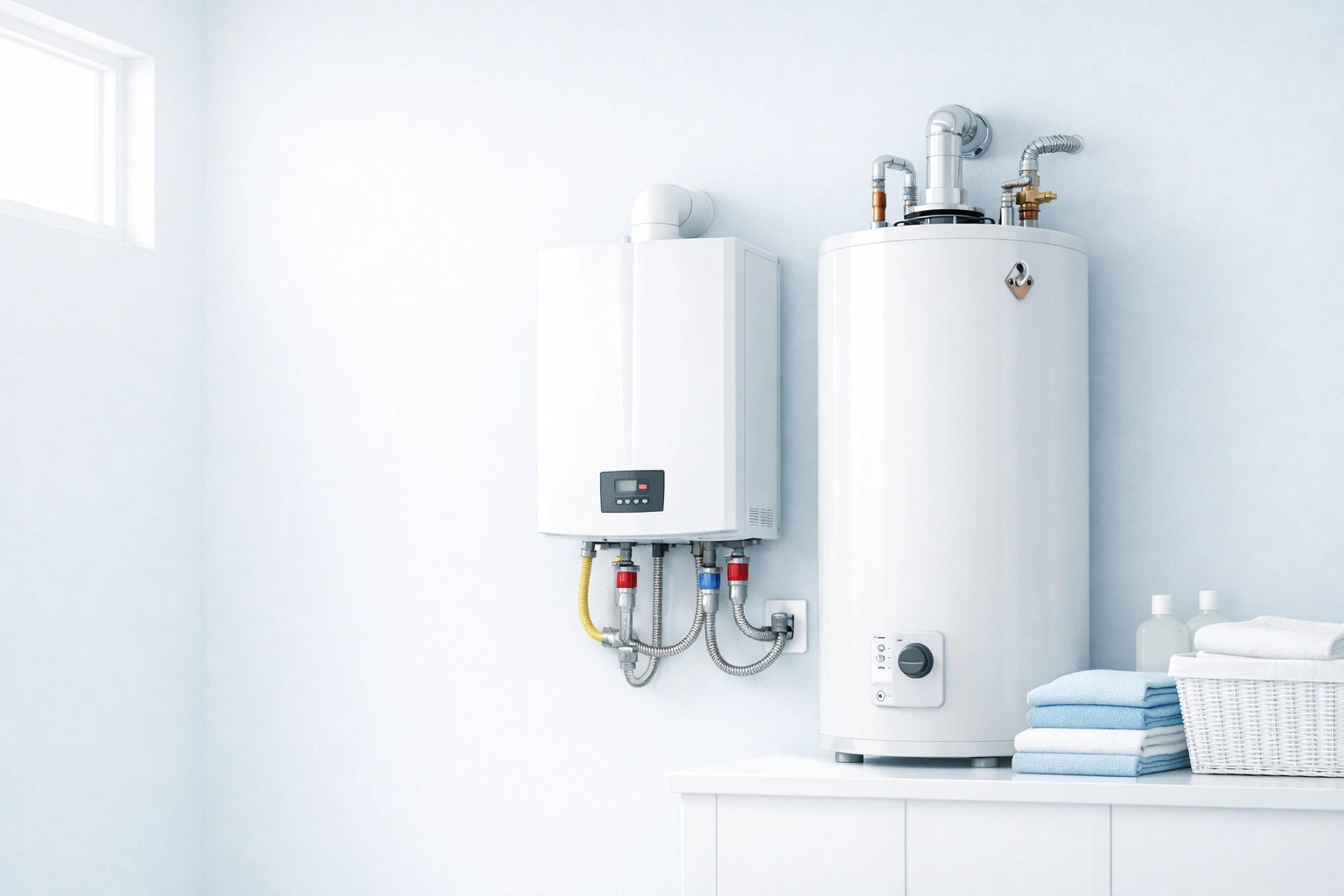
Tankless systems provide on-demand heating.
Traditional tank systems maintain a stored volume.
Both require specific infrastructure.
Assessing Infrastructure Requirements
Existing utilities must support the new unit.
Electric heaters require specific amperage.
Circuit breaker replacement Florida may be necessary for higher-wattage units.
Ensure the electrical panel upgrade Florida is completed if capacity is insufficient.
Gas units require adequate gas line diameter.
Venting systems must prevent carbon monoxide accumulation.
Consult Florida Trade Specialists services for infrastructure assessments.
Step 1: Utility Deactivation
Safety is the primary priority.
Locate the main electrical panel.
Turn off the circuit breaker dedicated to the water heater.
For gas units, rotate the gas supply valve to the off position.
Verify the power is off using a non-contact voltage tester.
Failure to cut power results in electrocution.
Failure to cut gas results in explosions.
Step 2: Tank Drainage
Connect a garden hose to the drain valve.
Route the hose to a floor drain or exterior area.
Open a hot water faucet to break the vacuum.
Open the drain valve.
Allow the tank to empty completely.
Sediment often slows this process.
Monitor for leaks during drainage.
Step 3: Disconnection of Old Components
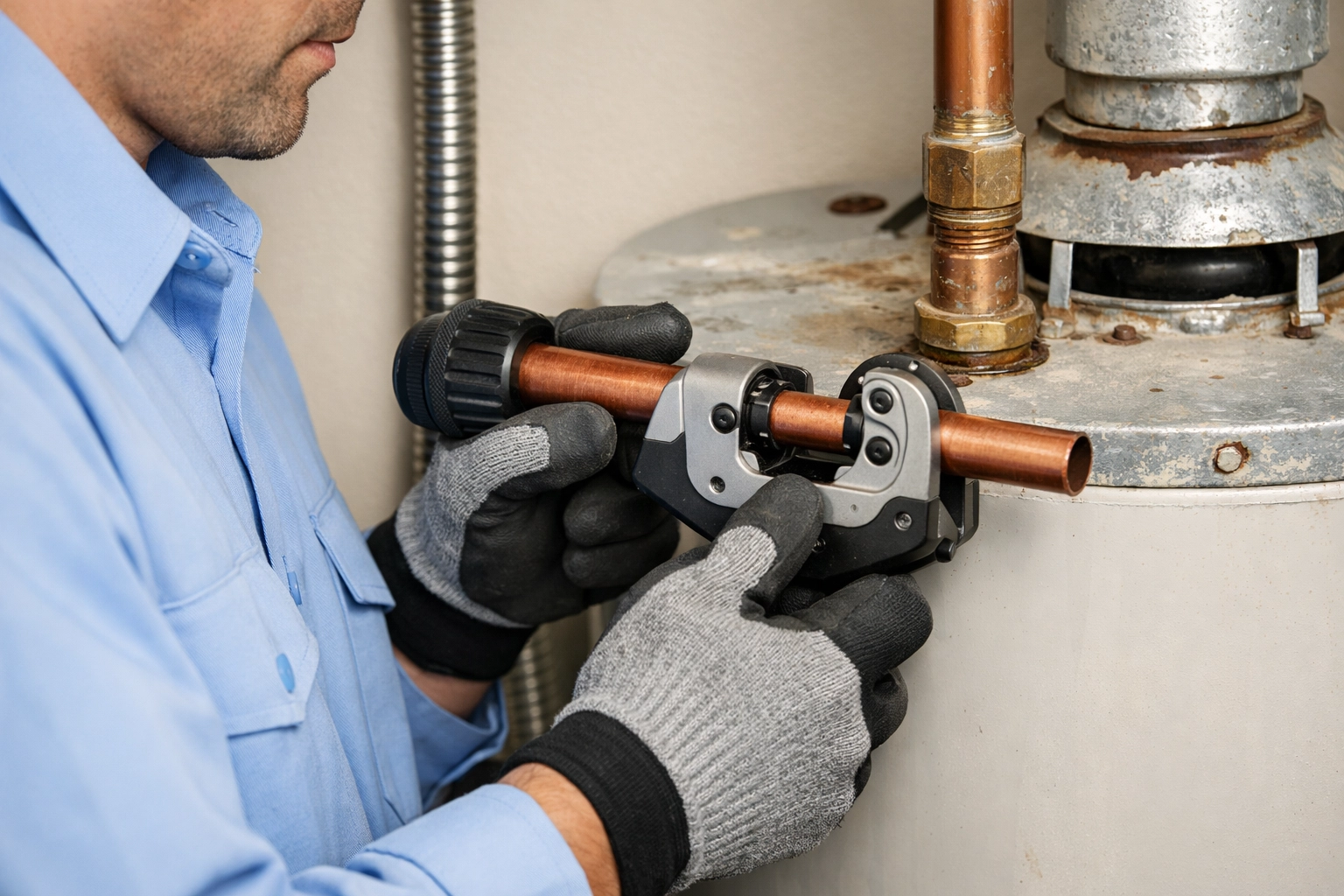
Use a pipe cutter for copper lines.
Disconnect the cold water inlet.
Disconnect the hot water outlet.
For gas units, disconnect the gas line.
Remove the venting assembly.
Unscrew electrical connections at the junction box.
Remove the old unit from the premises.
Step 4: Site Preparation
The installation surface must be level.
Clear all debris.
Inspect the floor for structural integrity.
Florida homes often utilize garage or utility closet locations.
Ensure the area meets clearance requirements for combustion air.
Check for moisture or mold.
Address leaks immediately through leak detection Florida.
Step 5: Positioning and Connection
Place the new unit in the prepared space.
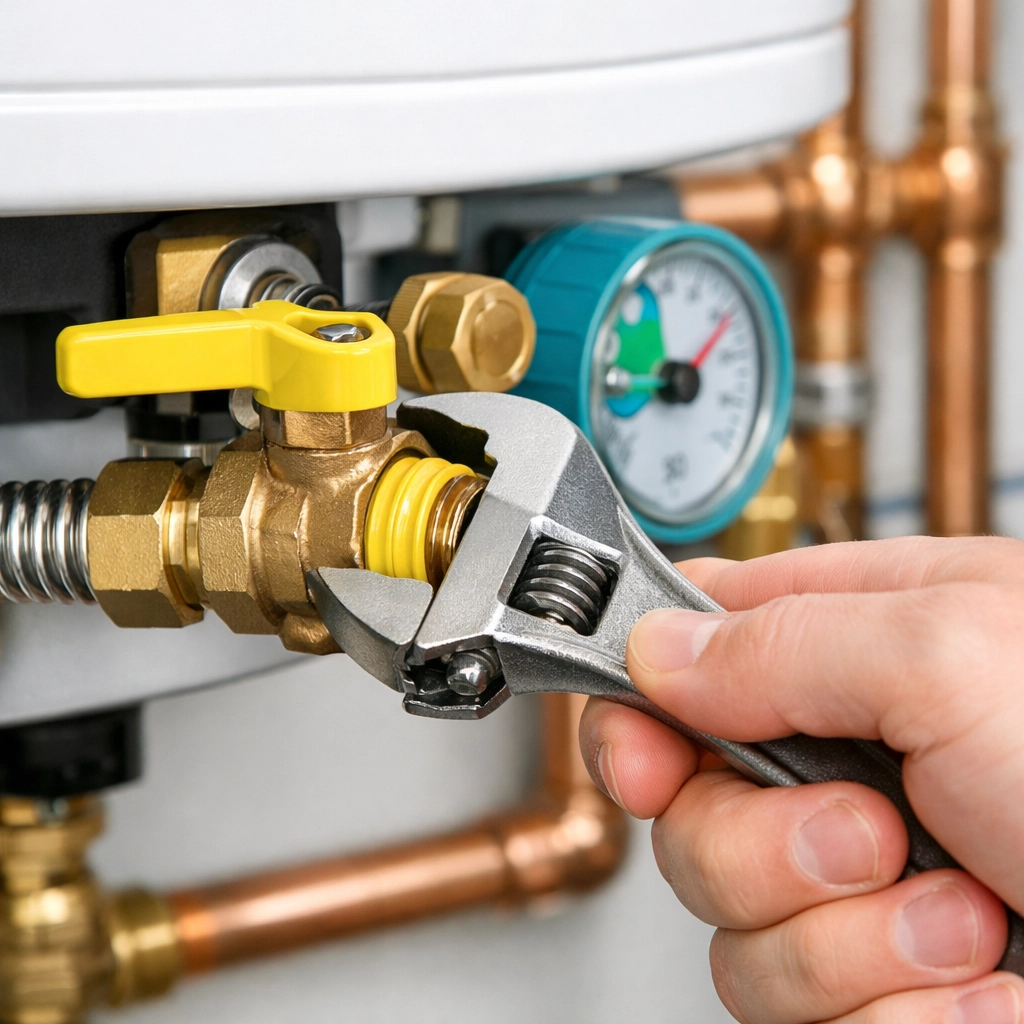
Install a new temperature and pressure (T&P) relief valve.
Connect the cold and hot water lines.
Use flexible connectors where permitted.
Apply plumber's tape to threaded connections.
Install a shut-off valve on the cold water line.
Verify all connections are secure.
Step 6: Power and Gas Integration
Electric Units:
Connect the ground wire first.
Connect the remaining wires according to the manufacturer’s diagram.
Secure the junction box cover.
Verify wire gauge matches the breaker size.
Gas Units:
Attach the gas nipple using two wrenches.
Use gas-rated Teflon tape.
Perform a leak test using soapy water.
Bubbles indicate a dangerous gas leak.
Connect the vent pipe to the draft hood.
Ensure the vent terminates outdoors.
Step 7: System Filling and Activation
Close the drain valve.
Open the cold water supply valve.
Keep a hot water faucet open in the house.
Wait for a steady stream of water with no air.
This indicates the tank is full.
Never turn on the power before the tank is full.
Heating elements burn out instantly in an empty tank.
Step 8: Temperature Adjustment
Locate the thermostat.
The standard safety setting is 120 degrees Fahrenheit.
Higher temperatures increase the risk of scalding.
Wait one hour for the water to reach the set temperature.
Test the water at the tap.
Adjust the thermostat only after the initial heating cycle.
Florida-Specific Environmental Factors
Water Quality
Florida water is frequently hard.
Mineral buildup occurs rapidly in heating tanks.
Sediment reduces efficiency.
Schedule annual descaling.
Consider a water softener to extend unit life.
Thermal Expansion
Closed plumbing systems require thermal expansion tanks.
Florida building codes often mandate these tanks.
Expansion tanks prevent pipe bursts.
They absorb excess pressure created by heating water.
Emergency Situations
Water heaters fail without warning.
Flood damage is a primary risk.
Emergency plumber Florida services are required for active leaks.
Shut off the main water valve immediately.
Critical Safety Risks
Improper installation creates lethal conditions.
Carbon monoxide poisoning occurs from blocked vents.
Electrical fires result from loose connections or undersized wire.
Tank explosions occur if the T&P valve is faulty.
Water damage leads to structural mold growth.
Professional water heater installation Florida mitigates these risks.
Why Licensed Specialists Are Required
Florida Trade Specialists ensures all contractors are vetted.
Licensed plumbers understand local codes.
They carry required insurance.
They pull necessary permits.
Non-licensed work voids manufacturer warranties.
If credentials cannot be verified, the listing is denied.
We confirm licensure.
We confirm insurance.
We confirm experience.

Comprehensive Service Network
Florida Trade Specialists provides access to experts across multiple trades.
Integration of services ensures home safety.
Water heater installation often intersects with electrical and plumbing needs.
- Plumber near me
- Leak detection Florida
- Electrical panel upgrade Florida
- Circuit breaker replacement Florida
- AC repair Florida
- Emergency plumber Florida
Service Areas
We connect homeowners with specialists in the following Florida counties:
Maintenance Requirements
Post-installation maintenance is mandatory for longevity.
Flush the tank every twelve months.
Inspect the anode rod every two years.
Replace the anode rod if the core wire is visible.
The anode rod prevents tank corrosion.
Failure to maintain the anode rod leads to tank failure.
Summary of Installation Standards
- Obtain a permit before work begins.
- Verify electrical capacity.
- Install thermal expansion tanks.
- Ensure proper venting for gas units.
- Set thermostat to 120 degrees.
- Use licensed professionals for all tasks.
Requirements and permits vary by jurisdiction.
Always verify with local authorities or a licensed Florida Trade Specialists professional.
Professional installation is the only way to ensure compliance and safety.
Direct Command
Ensure your home systems are safe, efficient, and compliant.
Fill out the contact form to connect with a licensed specialist.