




Florida homeowners face unique plumbing challenges. High humidity accelerates mold growth. Sandy soil causes ground shifts. These shifts break underground pipes. Ignoring a leak leads to structural failure. Most homeowners wait too long. They misidentify the source. They use incorrect tools. This article identifies seven critical mistakes in leak detection Florida. It provides factual solutions.
Leak detection Florida requires specialized equipment. Residential systems are complex. Most Florida homes utilize concrete slab foundations. Pipes run beneath the concrete. Standard inspections fail to see these lines. If credentials cannot be verified, the listing is denied. Professionals use acoustic sensors. They use thermal imaging. They use tracer gases. DIY methods cannot compete with precision technology.
1. Ignoring Minor Moisture and Small Drips
Small leaks are deceptive. A single drip per second wastes 3,000 gallons of water annually. Florida’s climate compounds the problem. Moisture triggers rapid mold colonization. Mold spreads within 24 to 48 hours. Ignoring a small damp spot under a sink is a liability.
Homeowners often wait for a flood. This is a mistake. Chronic moisture rots cabinetry. It compromises flooring. It creates health hazards. Small leaks indicate systemic pressure issues. They suggest aging pipe materials.
The Fix:
- Monitor water bills.
- Inspect under sinks monthly.
- Check for discolored grout.
- Contact an emergency plumber florida for immediate assessment.
Unaddressed drips lead to catastrophic pipe bursts. Early intervention reduces repair costs. It prevents the need for extensive mold remediation. Florida Trade Specialists ensures homeowners connect with professionals who prioritize early detection.
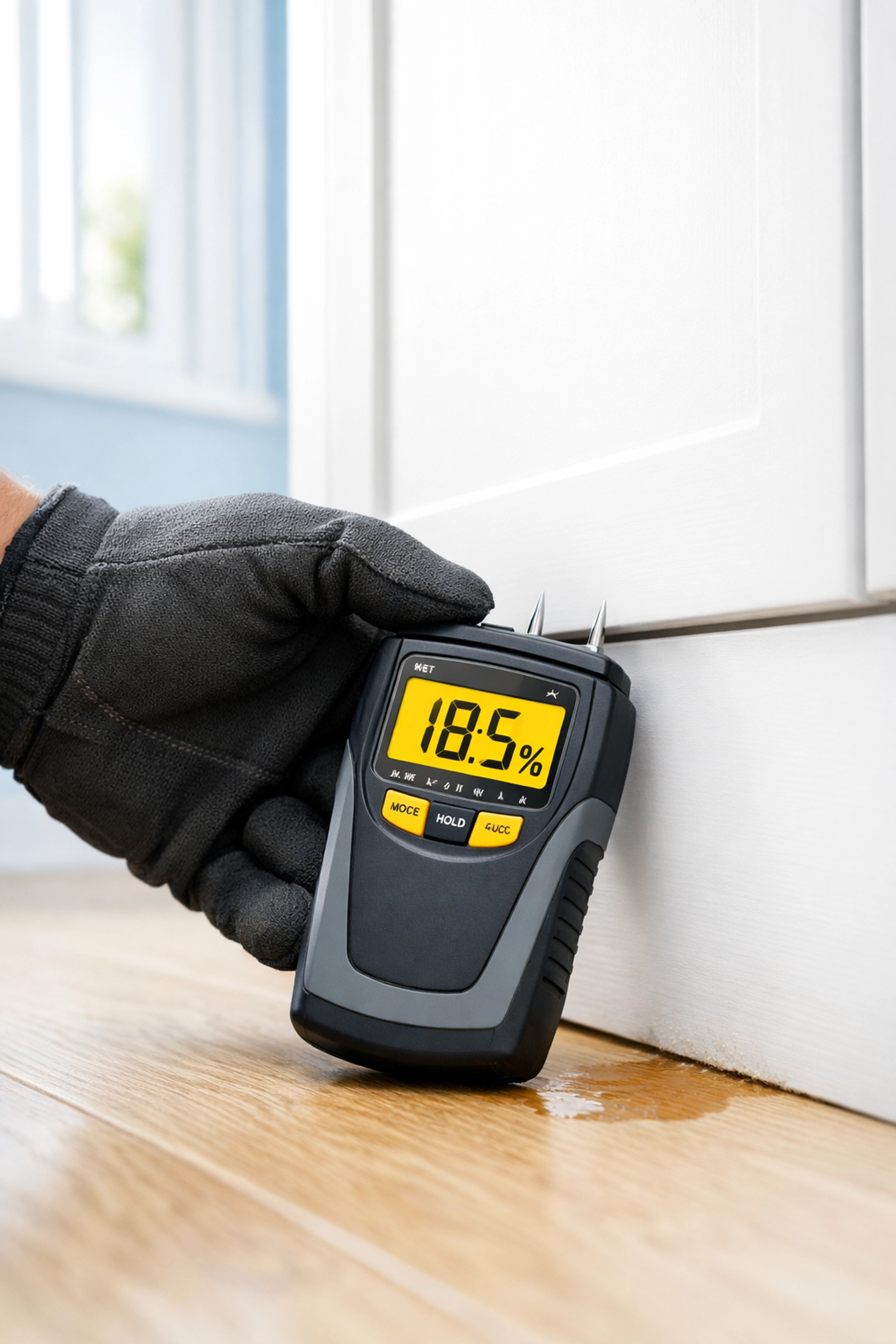
2. Assuming All Leaks Are Visible
Visible water is a late-stage symptom. Many leaks remain hidden for months. Florida homes often suffer from slab leaks. These occur in the copper or PEX lines under the foundation. You cannot see these leaks. You cannot hear them without tools.
Signs of hidden leaks include:
- Unexplained warm spots on the floor.
- The sound of running water when valves are closed.
- Spiked utility costs.
- Cracks in the foundation or walls.
Searching for a plumber near me is the first step when hidden leaks are suspected. Hidden leaks erode the soil beneath the home. This leads to sinkholes or foundation settlement. These repairs cost tens of thousands of dollars.
The Fix:
Hire a technician with electronic leak detection equipment. Non-invasive methods locate the exact point of failure. This eliminates the need to tear up entire floors. Precision is mandatory.
3. Relying Solely on DIY Detection Methods
Homeowners often use food coloring in toilet tanks. They use flashlights. These methods are basic. They find superficial issues. They fail to identify pinhole leaks in walls. They fail to find leaks in the main water line.
DIY methods lack depth. They do not measure water pressure. They do not account for thermal anomalies. Relying on guesswork leads to unnecessary demolition. Homeowners often cut into drywall in the wrong location. This increases repair bills.
The Fix:
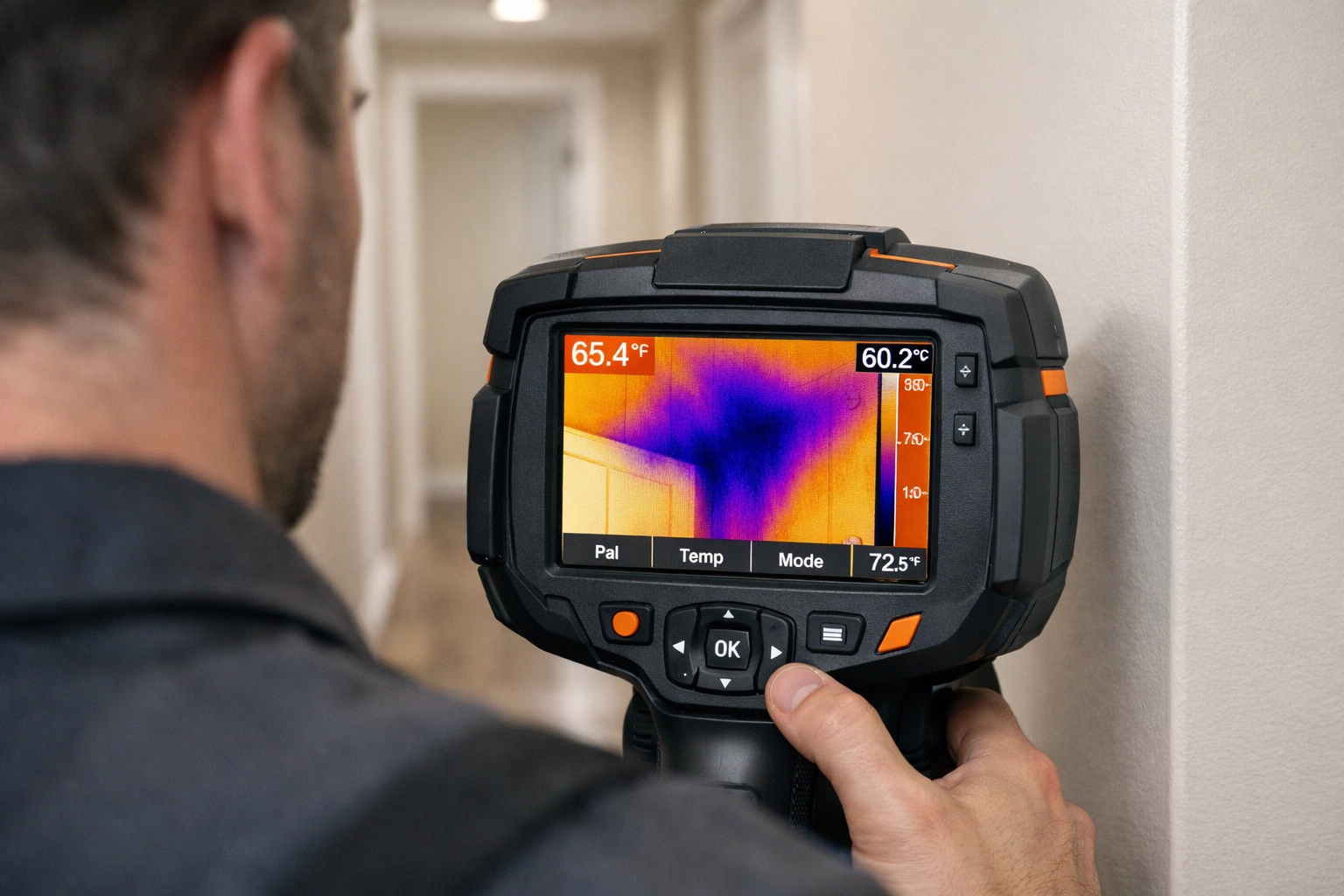
Use professionals who utilize thermal imaging cameras. These cameras see temperature differences caused by moisture. Use acoustic listeners to hear vibrations in the pipes. If credentials cannot be verified, the listing is denied. Ensure the technician is licensed and insured. Check our services for verified trade professional connections.
4. Thinking High Water Bills Are the Only Sign
Spiked bills are a clear indicator. However, they are not the only indicator. Small leaks may not significantly impact the bill immediately. Some leaks are intermittent.
A stable water bill does not guarantee a sound plumbing system. Florida’s high water table can mask outdoor leaks. Underground irrigation leaks may drain into the sandy soil without surfacing.
The Fix:
Perform a meter test.
- Turn off all water inside the home.
- Check the water meter.
- Wait 30 minutes without using water.
- Check the meter again.
If the dial moved, a leak exists. This test is a baseline. It does not locate the leak. It only confirms the existence of a problem.

5. Fixing the Symptom Instead of the Source
Patching a visible leak is temporary. Pipe failure is often systemic. If one section of copper piping fails due to corrosion, other sections are likely compromised. Florida water chemistry can be aggressive toward metal pipes.
Patching leads to a cycle of repairs. It results in multiple service calls. It increases the risk of an emergency plumber florida visit during off-hours.
The Fix:
Conduct a full system pressure test. Inspect the water heater. Old units are common leak sources. If the heater is over 10 years old, consider a water heater installation florida. Replacing a failing system is more cost-effective than constant repairs. Evaluate the entire plumbing network for age-related degradation.
6. Delaying Professional Detection Due to Cost
Professional leak detection has an upfront cost. Homeowners avoid this cost. They hope the problem resolves itself. It never does. Water damage is progressive.
Cost of detection is low. Cost of structural repair is high.
- Detection cost: Hundreds.
- Mold remediation: Thousands.
- Foundation repair: Tens of thousands.
Delaying detection is a financial risk. It increases the likelihood of a denied insurance claim. Insurance companies require homeowners to mitigate damage. Delaying a repair is considered negligence.
The Fix:
View leak detection as preventative maintenance. Early detection saves the subfloor. It saves the drywall. It protects the home’s resale value. Florida Trade Specialists provides access to experts across various Florida counties.
7. Failing to Document for Insurance Claims
Insurance companies require proof. They need to see the source of the leak. They need to see the extent of the damage. DIY repairs often lack documentation. Homeowners throw away damaged parts. They take no photos.
Without documentation, claims are denied. The homeowner pays the full cost. Professional leak detection providers deliver reports. These reports include photos. They include technical descriptions. They include moisture readings.
The Fix:
Request a formal report from your leak detection specialist. Keep all receipts. Document the timeline of discovery and repair. If credentials cannot be verified, the listing is denied. Only work with licensed contractors who understand insurance requirements.
Integrated Home Risks in Florida
Plumbing is not the only system prone to leaks. Roof leaks are common in high-wind zones. A failing roof allows water into the attic. This mimics a plumbing leak in the ceiling. If the leak occurs during rain, consider a roof replacement florida.
AC systems also leak. Clogged condensate lines flood closets. This causes significant floor damage. Regular ac repair florida and maintenance prevent these indoor floods. If the system is old, air conditioning installation florida ensures a modern, self-monitoring unit is in place.
Electrical systems are also at risk from leaks. Water in the walls reaches outlets. It reaches panels. This creates fire hazards. If water enters your electrical system, an electrical panel upgrade florida or circuit breaker replacement florida may be necessary to ensure safety.
Compliance and Regulations
Requirements and permits vary by jurisdiction. Always verify with local authorities or a licensed Florida Trade Specialists professional. Florida Building Code dictates how plumbing repairs must be executed. Unlicensed work is illegal. It voids insurance. It creates safety risks.
We provide services across Florida, including:
Professional Verification Standards
Florida Trade Specialists maintains strict standards. We confirm licensing. We confirm insurance. We confirm track records. If credentials cannot be verified, the listing is denied. This protects the homeowner. It ensures quality.
Home maintenance requires a multi-trade approach. A leak may start at the window. Impact windows florida prevent water intrusion during storms. A leak may start at the roof. Professional networks connect you to the right trade for the specific failure point.
Summary of Actions
- Detect early. Small drips cause large problems.
- Use technology. Acoustic and thermal tools are required.
- Verify licenses. Unlicensed work is a liability.
- Document everything. Insurance claims depend on facts.
- Check the whole home. AC, roofs, and windows also leak.

Frequently Asked Questions
How long does leak detection take?
Most residential inspections take 1 to 3 hours. Complex systems or large properties may take longer.
Does insurance cover leak detection?
Many policies cover the cost of access and detection if the leak caused a covered peril. Review your specific policy.
Can I find a slab leak myself?
No. Slab leaks require specialized microphones to hear water through concrete.
Is a thermal camera enough?
Thermal cameras show moisture patterns but do not confirm the pipe's exact location. They are used in conjunction with other tools.
What is the most common cause of leaks in Florida?
Corrosion of copper pipes and high-pressure surges are leading causes.
Direct Commands for Homeowners
- Shut off the main water valve if a major leak is suspected.
- Contact Florida Trade Specialists to find a verified professional.
- Clear the area around the suspected leak site for the technician.
- Review your homeowner’s insurance policy today.
Florida Trade Specialists ensures your home systems are safe, efficient, and compliant.